
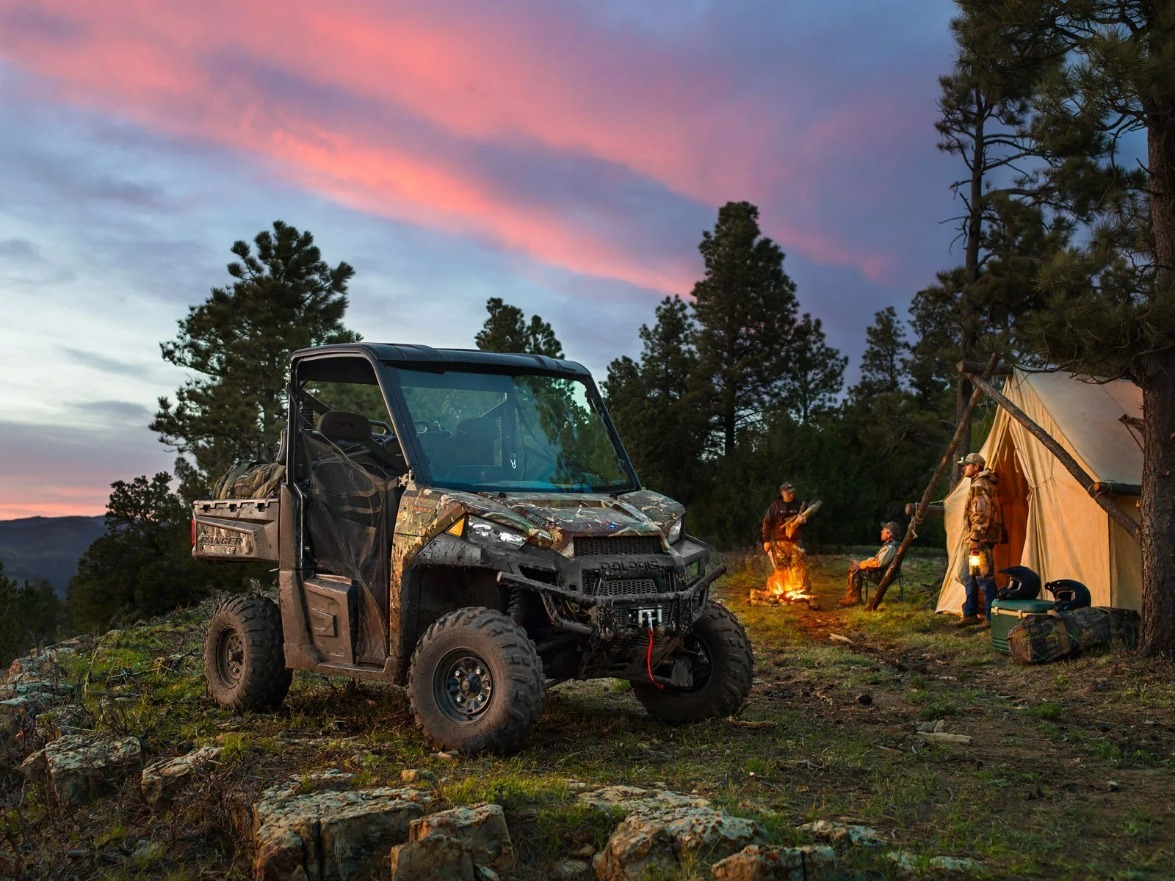
The short answer is no, side-by-sides (also known as UTVs or ROVs) are not considered fully street legal in Texas. Unlike a standard passenger car or truck, you cannot simply register a utility vehicle for everyday highway use at your local Texas Department of Motor Vehicles (TxDMV) office.
However, Texas law does provide several specific exemptions, limited on-road allowances, and local county overrides that permit side-by-side operation on certain public roadways. Understanding these state mandates ensures you stay safe and compliant while maximizing the utility of your machine.
Texas State Mandates for Off-Highway Vehicles
Under state guidelines, side-by-sides are officially classified as Off-Highway Vehicles (OHVs). The TxDMV requires all OHVs to be titled, but they are not eligible for traditional license plates or standard highway registration. Instead, owners can apply for a specialized Off-Highway Vehicle license plate from a county tax assessor-collector’s office.
To operate legally on permitted public roads, the vehicle must meet the following statutory equipment requirements:
-
Brake system in full working order
-
Muffler system that complies with safety emissions
-
U.S. Forest Service qualified spark arrester
-
Operational headlights and taillights
-
Texas Parks and Wildlife Department OHV decal explicitly displayed
When Can You Drive a UTV on Texas Roads?
State law outlines strict parameters regarding exactly where and when a side-by-side can travel on public pavement.
Low-Speed and Master-Planned Communities
You can legally drive an OHV on a public road with a posted speed limit of 35 mph or less under the following conditions:
-
The vehicle is operated during daytime hours.
-
The operation occurs within a master-planned community featuring a uniform set of restrictive covenants and an approved plat.
-
The journey is less than two miles from where the vehicle is usually parked, specifically for transportation to or from a golf course.
Commercial, Agricultural, and Public Service Safety Exemptions
Texas expands road access for side-by-sides when they are utilized for specific occupational tasks. Operators may drive on public roads during the day for up to 25 miles from their point of origin if the vehicle is used for:
-
Agricultural cultivation, production, or ranching operations.
-
Public utility work and maintenance services.
-
Law enforcement, firefighting, emergency medical services, or municipal safety operations (which carry a 10-mile radius allowance instead of 25 miles).
If you are operating under these specific occupational exemptions without an Off-Highway Vehicle license plate, Texas law dictates you must mount a triangular orange slow-moving vehicle emblem to the back of the machine at least six feet above the ground, and your headlights and taillights must remain illuminated.
Local City and County Ordinances
A critical rule of thumb across the state is that local municipal or county governments retain the authority to override or expand state permissions. Cities and certain counties can explicitly authorize the operation of side-by-sides on any public road within their boundaries, provided the road has a posted speed limit of 35 mph or less. To utilize these local exceptions, your vehicle must display the official state-issued Off-Highway Vehicle license plate.
Operator Requirements and Safety Regulations
Even if you are driving within a designated master-planned community, a rural area with a local ordinance, or operating under a farming exemption, the operator and passengers must adhere to specific traffic safety laws:
-
Valid Driver’s License: Any person operating a side-by-side on a public road must possess a valid driver’s license.
-
Safety Certificates: Operators must complete a state-approved safety education course unless they qualify for specific occupational training exemptions.
-
Helmet and Eye Protection: All occupants must wear a DOT-approved safety helmet and protective eyewear when traveling on authorized public roads.
-
Seat Belts: If the manufacturer integrated seat belts into the model, they must be worn by all passengers at all times.
Frequently Asked Questions
Can I drive my side-by-side on Texas interstate highways?
No. Side-by-sides are strictly prohibited from driving on interstate highways and high-speed public corridors across Texas. Public road access is strictly limited to low-speed municipal streets, approved master-planned roads, or specified rural routes within state-regulated mileage caps.
Is liability insurance required for a UTV in Texas?
While Texas does not mandate liability insurance for vehicles operated strictly on isolated private land, the law changes when utilizing public roads. If you operate your side-by-side on public roadways under local ordinances or state exemptions, you may be required to carry liability coverage similar to a standard auto insurance policy to cover potential property damage or bodily injury.
Can I buy a fully street-legal side-by-side directly from a dealership?
Major manufacturers build side-by-sides explicitly optimized for off-highway utility, trail riding, and recreation. You can explore our current inventory of top-tier models from dominant brands like the Can-Am Defender, CFMOTO UFORCE, and Polaris Ranger, which can be custom-fitted with necessary safety equipment, such as mirrors, turn signals, and horns, to satisfy the strict checklist required by local Texas municipalities for neighborhood or secondary road access.
Find Your Next Side-by-Side in Corpus Christi
Whether you need a heavy-duty workhorse for agricultural tasks around Portland, TX, a reliable vehicle for a master-planned community in Ingleside, TX, or a recreational machine to take out past Rockport, TX, our team is here to help you navigate the right setup for your needs.
Ready to get started? You can browse our current inventory online, learn more about our simple qualification process to explore our financing options, or contact us directly to speak with a specialist about getting your machine properly outfitted for local compliance.