
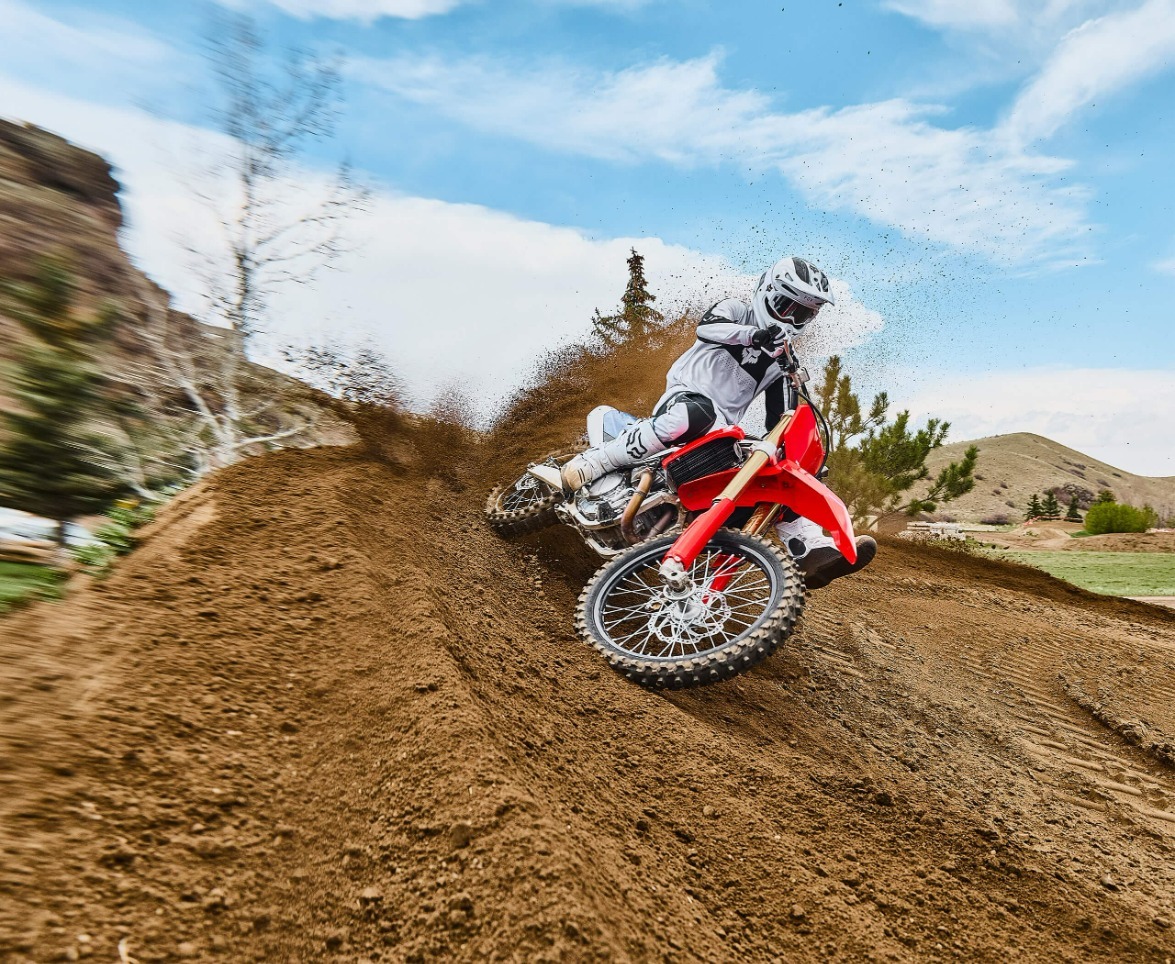
Riders looking for a versatile motorcycle that seamlessly transitions from daily pavement commutes to weekend trail riding often find themselves choosing between two legendary Japanese lineups: the Honda CRF series and the Kawasaki KLX series. Both model families have earned stellar reputations for bulletproof reliability, approachable power, and exceptional value. However, subtle differences in suspension geometry, power delivery, seat height, and overall chassis design give each lineup a unique personality on the street and in the dirt.
At Corpus Christi Cycle Plaza, our showroom floor frequently hosts dual-sport enthusiasts from across Corpus Christi, Portland, Robstown, Rockport, and Padre Island. Whether you plan to cruise along coastal highways or tackle rough backroads near Kingsville, selecting the right dual-sport comes down to your personal riding goals, physical height, and preferred terrain. This comparison guide breaks down the core differences between the Honda CRF and Kawasaki KLX lines to help you decide which machine deserves a spot in your garage.
Engine Performance and Power Delivery
Both Honda and Kawasaki utilize modern, fuel-injected, liquid-cooled single-cylinder engines in their primary dual-sport models, such as the Honda CRF300L and Kawasaki KLX300. While displacement and horsepower numbers remain closely matched across both brands, the way that power is delivered feels distinctly different once you twist the throttle.
Honda engineered the CRF lineup with smooth, linear power delivery in mind. The CRF single-cylinder engine offers excellent low-end torque and a remarkably smooth mid-range. This forgiving powerband makes navigating urban stop-and-go traffic through downtown Corpus Christi effortless, while still providing plenty of tractor-like pull when climbing loose dirt trails. The Honda engine also delivers a slightly smoother highway cruise with minimal handlebar vibration when traveling at highway speeds.
Kawasaki designed the KLX engine with a slightly more rev-happy, dirt-focused character. The KLX powerband comes alive higher in the rpm range, encouraging riders to gear down and rev the motor when aggressive acceleration is needed. This gives the Kawasaki a spunky, energetic feel on open trail sections. If you want to check out current pricing and promotional terms on these models, you can explore our financing options online before visiting our dealership.
Suspension Setup and Off-Road Handling
Suspension engineering represents one of the most significant differences between the Honda CRF and Kawasaki KLX families. Depending on your body weight and how aggressively you plan to ride off-road, suspension performance can be a deciding factor.
- Kawasaki KLX Suspension: Kawasaki equips models like the KLX300 with higher-spec, fully adjustable suspension components. The front inverted fork includes adjustable rebound damping, while the rear piggyback shock features adjustability for preload, rebound, and compression. This adjustability allows our technicians to dial in the suspension firm enough for heavier riders or aggressive trail riding without bottoming out over harsh obstacles.
- Honda CRF Suspension: Honda sets up the CRF line with a softer, plush suspension tuning straight from the factory. The long-travel suspension excels at soaking up small bumps, potholes, and rough asphalt around town, delivering a comfortable ride. However, because the factory suspension lacks extensive manual damping adjustments, aggressive off-road riders or heavier individuals may find the stock CRF setup somewhat soft when tackling large jumps or deep whoops.
If your primary focus involves tackling technical trails or fire roads across the Coastal Bend region, the tunable damping on the KLX offers a distinct advantage. If your priority is maximum daily comfort over bumpy city streets and light dirt paths, the plush factory feel of the CRF is tough to beat.
Ergonomics, Seat Height, and Rider Comfort
Comfort and accessibility play major roles in dual-sport riding, especially for beginners or riders with shorter inseams. Dual-sport bikes naturally ride higher off the ground than street bikes due to their tall ground clearance and long-travel suspension, but the CRF and KLX handle rider fit differently.
The Kawasaki KLX features a slightly narrower overall profile and a narrower seat. Unladen, the KLX seat height rests at approximately 36.5 inches. However, because the rear shock compresses under rider weight, short-inseam riders often find it easier to plant their feet firmly on the ground when stopping a KLX. The narrower footpegs on the KLX also feel agile, though some riders prefer wider aftermarket pegs for long standing sessions in the dirt.
The Honda CRF features a slightly wider, plush seat designed for longer saddle time. With an unladen seat height around 37.2 inches on standard models, the CRF sits slightly taller, though Honda also offers specialized low-seat variants like the CRF300LS for riders seeking a lower center of gravity. The CRF also boasts slightly wider footpegs and higher ground clearance, keeping your boots higher above rocks and brush.
To see how each bike feels beneath you, we invite you to visit our showroom and view available models in stock to find your ideal fit.
Cockpit Tech and Street Features
When evaluating dual-sport motorcycles for street usability, digital instrumentation and lighting make a real difference in daily convenience.
Honda equips the CRF lineup with modern digital instrument clusters that feature clear, bright displays. The CRF dash includes a highly useful gear position indicator and a digital fuel gauge, features that daily commuters in Corpus Christi quickly grow to appreciate. The CRF series also features modern styling with clean body lines and bright lighting units.
Kawasaki keeps the KLX cockpit somewhat more minimalist and dirt-traditional. The KLX gauge cluster provides basic speed, trip, and clock functions alongside a low-fuel warning light, but omits a dedicated fuel gauge and gear indicator. While functional and durable, the Kawasaki layout reflects a design focused primarily on trail simplicity.
Both lineups feature front and rear hydraulic disc brakes that deliver reliable stopping power on dirt and pavement alike. Honda also offers select CRF configurations equipped with switchable Anti-Lock Braking Systems (ABS), offering extra peace of mind for riders who spend significant time navigating wet coastal roads.
Popular Models in Each Lineup
Honda CRF Series Highlights
- Honda CRF300L: The benchmark dual-sport balancing lightweight agility, smooth street manners, and reliable trail capability.
- Honda CRF300LS: A specialized factory variant featuring a lower seat height and tuned suspension for improved ground reach.
- Honda CRF300 Rally: Features a larger fuel tank, tall windscreen, and Dakar-inspired bodywork designed for long-distance dual-sport adventure touring.
Kawasaki KLX Series Highlights
- Kawasaki KLX300: The flagship 292cc dual-sport featuring fully adjustable suspension, responsive power, and serious off-road capability.
- Kawasaki KLX230: A compact, air-cooled, lightweight dual-sport designed for ultimate beginner friendliness and low maintenance.
- Kawasaki KLX300 SM: A supermoto variant featuring 17-inch street wheels and sticky tires built specifically for carving up paved twisties and city streets.
Which Dual-Sport Should You Buy?
Both the Honda CRF and Kawasaki KLX lines represent fantastic investments that will deliver years of dependable performance across South Texas. Choosing the best machine comes down to how you plan to ride:
Choose the Honda CRF if you prioritize smooth street commuting, modern dash features like a fuel gauge and gear indicator, soft everyday comfort, or want factory options like ABS or a lowered seat height.
Choose the Kawasaki KLX if you plan to spend more time off-road, want fully adjustable suspension out of the box, prefer a narrower chassis profile, or enjoy a rev-happy engine on technical trails.
Ready to take the next step toward your next motorcycle adventure? You can browse our current inventory to see our full selection of dual-sport motorcycles. Our experienced team at Corpus Christi Cycle Plaza is always standing by to walk you through specs, discuss customization options, or help you value your trade-in on your existing bike.
Frequently Asked Questions
Is the Honda CRF or Kawasaki KLX better for beginners?
Both lineups offer outstanding entry points for new riders. The Kawasaki KLX230 and Honda CRF300LS are especially beginner-friendly due to their lower seat heights and manageable power delivery. If street riding is your primary focus, the predictable throttle response of the Honda CRF series is very forgiving for new riders.
Can these dual-sport bikes handle highway speeds around Corpus Christi?
Yes. 300cc-class models like the Honda CRF300L and Kawasaki KLX300 can comfortably maintain speeds of 65 to 75 mph on coastal highways and highways connecting Corpus Christi to surrounding areas like Robstown and Portland. However, for extended long-distance highway travel, models with wind protection like the Honda CRF300 Rally offer superior wind displacement.
Do I need to perform frequent service on dual-sport motorcycles?
Both Honda and Kawasaki dual-sport engines are built for extreme durability and low operating costs. Routine maintenance involves regular oil changes, air filter cleaning after dusty trail rides, and periodic chain adjustments. Our certified service department is always ready to keep your machine running perfectly; you can easily schedule your service appointment online whenever maintenance is due.